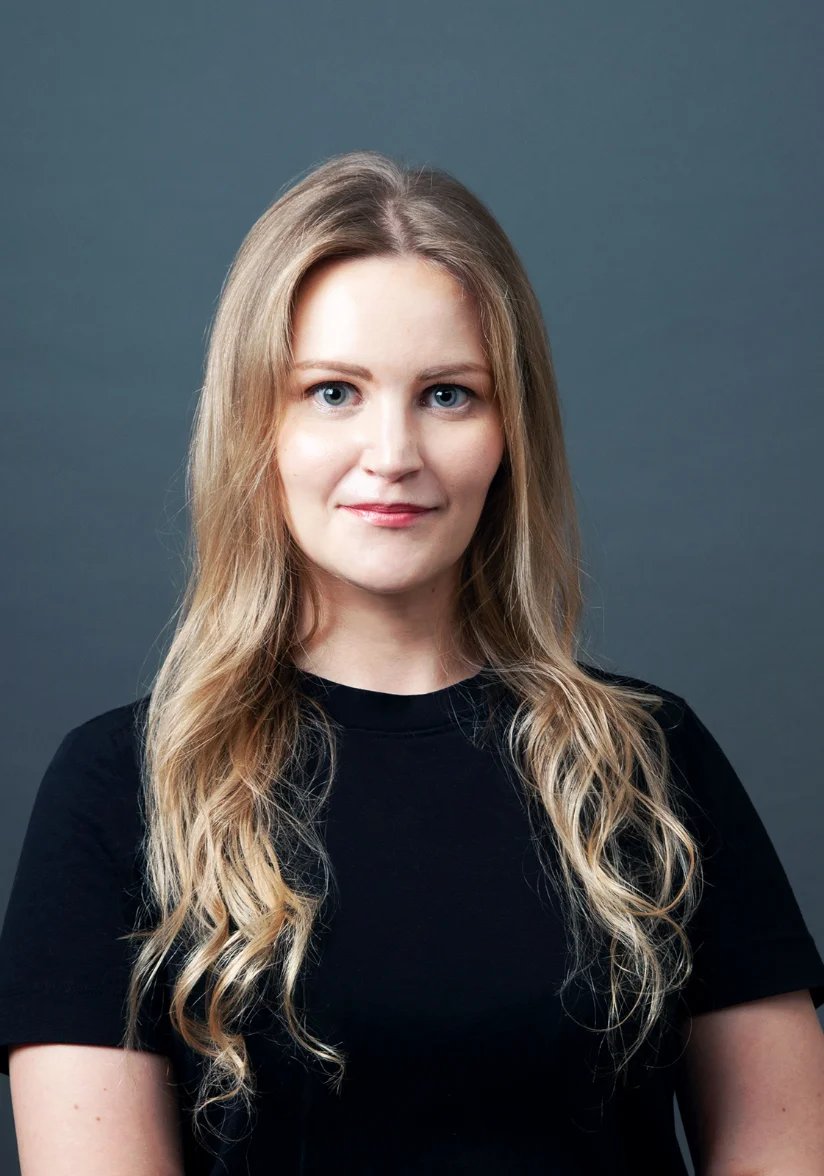
Hi, I’m Teresa.
I’m a professional coach with a background in strategy, leadership, and social psychology. I’m originally from Finland and now based in Sweden, after spending 13 years living and working in Japan.
I focus on transitions because I’ve navigated many myself: across countries, careers, roles, and ways of life. Through those experiences, I’ve come to see that a transition is rarely just about deciding what to do next, but it often comes with questions of identity, values, and priorities that shape what you want to build next.
Professional coach
Trained through an ICF-accredited coaching program
10+ years in strategy & leadership
EY, Accenture and Uber
BA in Social Psychology
University of Tokyo
I know what it means to outgrow one chapter and build the next
My interest in transitions is personal. I moved to Japan at a young age, built a life there over many years, and eventually left after 13 years to start again in a new country. Professionally, I built a career in consulting and tech, gradually moving into more senior leadership roles and assuming for a long time that this was the path I would continue on, before eventually stepping away from a traditionally successful corporate career to build an independent coaching practice. Academically, I had changed direction from law to social psychology, only to start my career in the world of business and eventually find my way back to working closely with people through coaching.
Some of these transitions were deeply desired and exciting; others happened under conditions of uncertainty, and some were shaped by circumstances outside my control. All of them have shown me that transitions tend to unfold on more than one level.
On the surface, there is the practical work of recognising that something needs to change, working out where you want to go, and then taking consistent action towards that goal. Underneath, there is often a more complex process: shifts in identity, disappointment when things do not go to plan, uncertainty about what you really want, learning to operate in unfamiliar circumstances, external factors that slow progress or force you to adapt in directions you did not choose, and sometimes grieving a life or version of yourself that once felt right but no longer does.
A passion for people and growth
People-focused work was always a meaningful part of my corporate career. I found leading teams and mentoring others especially rewarding, and those experiences gradually turned into a deeper passion for work centred on people’s growth, thinking, and development.
My first experience with coaching came during a challenging point in my career. Not entirely sure what I had signed up for, I hoped my coach would give me the answers I needed to overcome the challenge, and I initially felt frustrated when I was instead guided to find my own. The approach stayed with me, though. I started reading more about coaching and gradually came to understand the value of having someone create the space to examine my own thinking, challenge my assumptions, and arrive at answers that were genuinely mine.
Years later I began professional coach training. The programme combined formal study with dozens of hours of practical coaching, observed sessions, feedback, mentoring from experienced coaches, and being coached myself. I continued coaching alongside my corporate career, and the more I saw clients benefit from the process, the more meaningful the work became to me.
After a year of coaching, my role at Uber was affected by a global reorganisation, and I found myself at another transition point. I could return to a familiar corporate path, or step away from it and build something of my own, a dream that had become increasingly important to me. By then, the answer felt clear: I wanted to make coaching the centre of my working life, so I decided to pursue it full-time.
A strategic thought partnership, grounded in empathy
My coaching philosophy is grounded in the belief that rigorous thinking and genuine empathy can create the conditions for meaningful growth. I see coaching as a strategic thought partnership: a space to step back, examine assumptions, explore different perspectives, and understand what really matters.
My own experiences of navigating major transitions have shaped how I work and given me a deep appreciation for how layered change can be: the uncertainty, identity shifts, setbacks, conflicting priorities, and the gap between knowing something needs to change and feeling ready to act.
It might sometimes seem easier if I simply handed you what I believe the answer is, or told you what worked for me. But through my own experience of coaching, both as a client and as a coach, I have come to see how powerful it can be to arrive at your own answers. My role is to bring curiosity, challenge, structure, and empathy to that process.
I also want coaching to be a dedicated space for your own thinking. When life is busy, it can be difficult to step back from everything demanding your attention and focus on yourself, what you want, and what matters most right now. Coaching gives you protected time to think deeply and give important questions the attention they rarely get in everyday life.
In my transition coaching work, I am particularly drawn to longer partnerships because I have seen how much can develop between sessions. The conversations themselves matter, but so does what happens afterwards: the reflection, experimentation, setbacks, new insights, and gradual shifts that emerge as you carry the work into everyday life.
That’s my story. What’s yours?
If you are navigating a transition and want a space to think strategically, gain new insight, and move forward with intention, you can book a complimentary discovery call with me to talk about what you want to work on, whether coaching is the right approach, and what working together could look like.
Book a discovery call